The difference between holistic training and specialized athleticism
What the best training plan to start any fitness journey looks like

My ultimate goal in fitness was always to become the most complete athlete possible.
I am a romantic, everything impresses me and I fell in love easily with every aspect of training:
I want it all: the aesthetic physique, the strength to lift heavy, the endurance for a marathon, the flexibility of a gymnast… among many other pursuits.
I knew that I needed a holistic approach to training to be able to achieve certain goals.
There is nothing wrong about specialising in a specific sport, I practice Jiu-Jitsu myself and plan to dive deeper in other stuff like climbing and swimming.
Even running and calisthenics have a lot of room to improve and specialise.
Still, I am not a fighter, a climber, or a runner. I am an enthusiast, aspiring to get closer to what an athlete really is.
Well, but what is an athlete?
From the Greek athlētēs, meaning “one who competes for a prize,” from athlon (prize, contest).
The original sense was specifically about competing, not just being fit. Cool, but I think it deserves an update.
My definition: An athlete is anyone who submits themselves to training for physical performance and for pursuit of excellence, competitively, or not
The closest people I find to have a “holistic athleticism” are military
These guys can do 20 weighted pull-ups, endless push ups and run dozens of miles with all their gear on their backs.
They are a phenomenal combination of strength, power and endurance.
The perfect marine soldier also comes with a bit of madness.
Some of their capacity must be due to a phenomenal capacity to endure pain and suffering, a little bit like ultra runners.
So does this means marine corps are all athletes? You better be sure that they are. It’s elite physical preparation.
Now, you might be thinking (or not):
“I get it, but it does not really interest me to be strong at all fronts, 80% good at a lot of things is not the goal. I want to become 100% good at a single pursuit”
These are the folks committed to become professional at a certain sport, to really master the skill of running, hiking, climbing, whatever.
I don’t know all sports, so I can’t give you advice on how to become the best football player, you’ll need a good coach for that.
But I can give you your starting point.
You start by improving your strength, endurance and increasing body awareness. It’s the first step for any physical pursuit.
It’s going for bodyweight exercises and endurance training, with progressive overload in order to increase work capacity.
But what does this mean?
Bodyweight training (or calisthenics): the core of this plan, it’s any exercise where you only need your body and gravity. So you won’t need a gym to start your journey, you can do this anywhere. And don’t worry, calisthenics is not only muscle-ups and one-arm pull-ups, it’s much more complete.
Progressive overload: to gradually increase the stimuli placed on the body during training so that it continues to adapt and improve.
Work capacity: tightly related with progressive overload, is the total amount of physical work the body can perform and recover from over time
8-12 weeks should be enough to build you enough body awareness to start your chosen pursuits (whether holistic training or not)
This also works great if you have been of exercising for a few time and want to lock in again
What this plan look like:
Zone 2 cardio (30+ min)
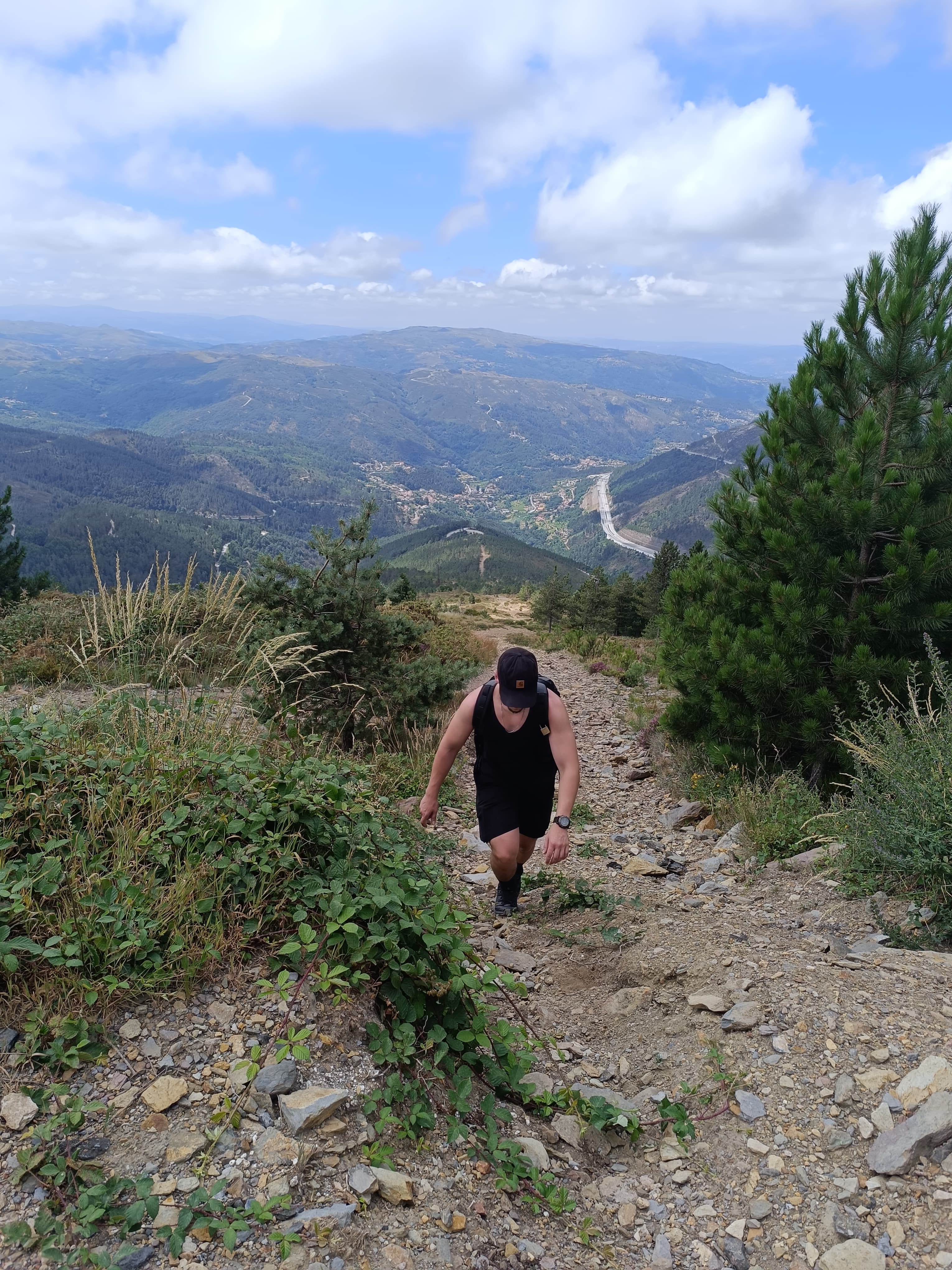
Running, cycling, jump rope, hiking uphill…
Push-ups and dips
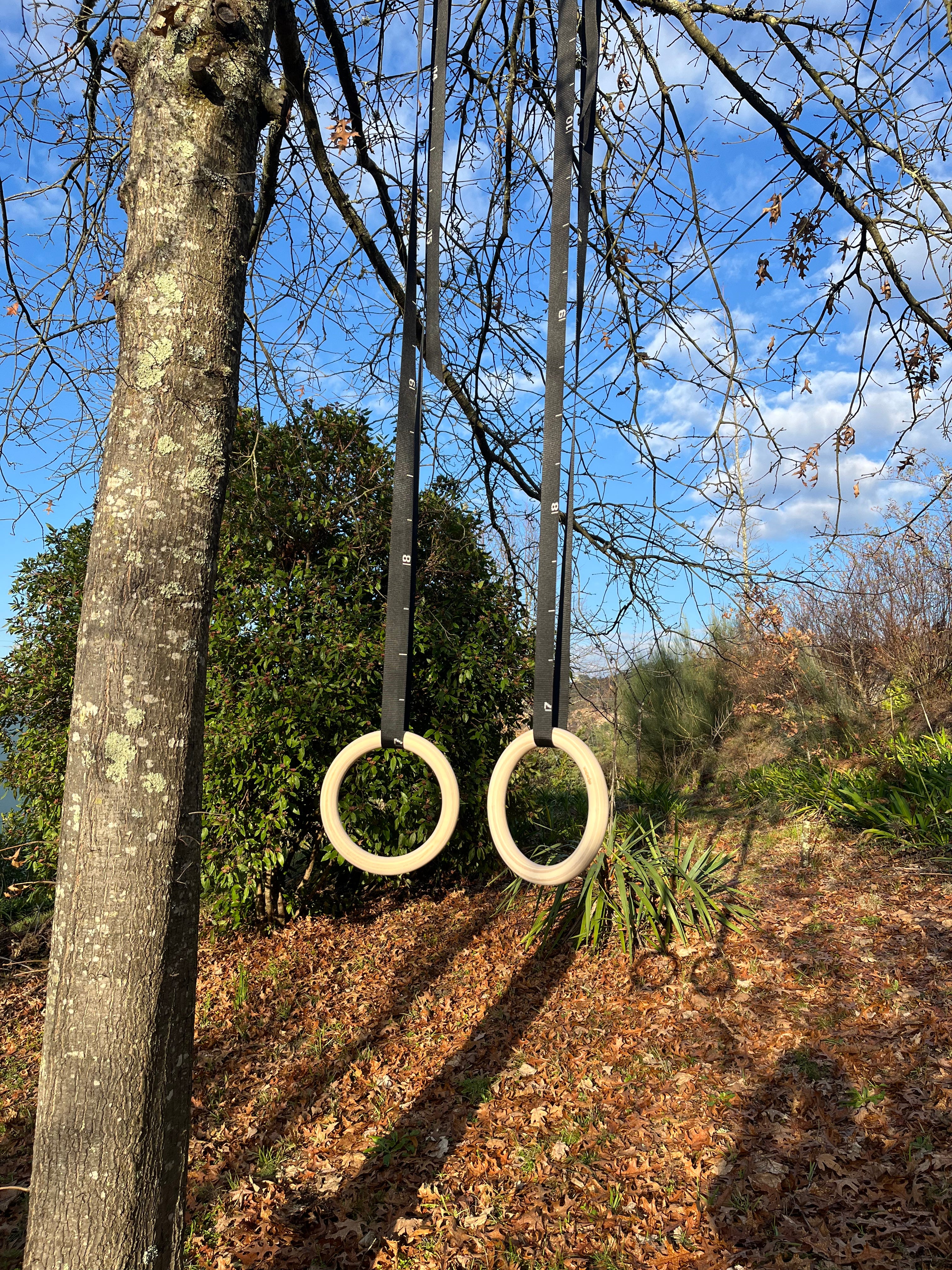
Pike push-up, archer push-up, diamond push-up, wide push-up, feet elevated push-up, hands elevated push-up, ring push-up (using gymnastic rings or TRX), chest dip, tricep dip…
Pull-ups
Chin-up, neutral grip pull-up, scapular pull-up, dead hang, negative pull-up
Lunges and squats
Bulgarian split squat, reverse lunge, walking lunge, jump lunge, pistol squat, wall sit, step-up, sumo squat, squat jump, nordic curl
Planks and leg raises
Side plank, L-sit progression, toes-to-bar (needs a bar), hanging knee raise, lying leg raise, flutter kicks, scissor kicks, bear crawl, sit-ups
Sprinting and jumping
Normal or hill sprints, broad jumps, box jumps
(Do not try to find out how these exercises are done in the workout, search first on how to do the proper form, make a list of the ones you want to do and have them with you during the workout. I can’t give you the proper form for all exercises but if you need help, message me and I’ll do my best)
In the beginning, do this 3 days a week and dedicate yourself 10 minutes to each session
1 - Choose variations of the above exercises you think you can do. It can be a full body workout or not.
2 - Do a certain number of sets for a certain time, that account for 10 minutes (5 sets of 2 minutes, 10 sets of 1 minute…)
3 - Adjust the number of reps to what you can do
4 - In the next workout, increase one rep per set or find other ways to progressive overload with the same reps
As simple as that, you will be able to start increasing your strength and work capacity by dedicate yourself for 10 minutes per workout.
Now let’s also be realistic… Past the first month, you will need a little more volume.
Start doing workouts that target specific muscle groups (upper body, lower body, push, pull…)
Insert longer cardio sessions
Incorporate warm-ups to avoid injury from workouts
Remember, progressive overload is not solely increase the weight on a gym machine
Is also:
Doing more reps
Doing more sets
Adding weight to yourself
Decreasing stability
Do different exercises for the same muscle groups
You understand the concept
Pick three exercises. Set a timer for 10 minutes. Start today.
VAL